Popular Products

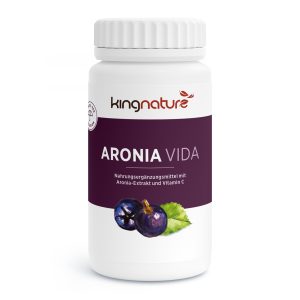
Aronia Vida
CHF 69.00
– these requirements are strictly and regularly monitored by independent EU organic inspection bodies, the umbrella organisation Bio Suisse or KRAV (private organic seal)
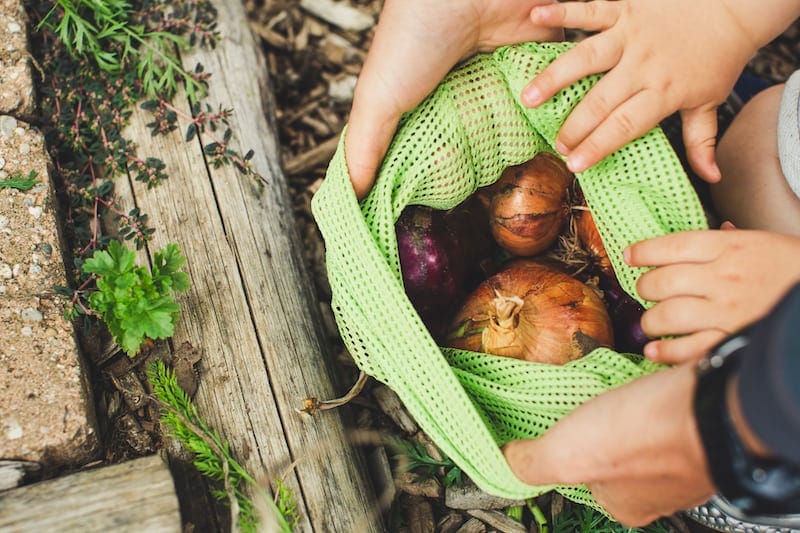
In organic agriculture, arable land is to be managed in such a way that future generations will also be able to use the land for growing organic food. This forward-looking idea is supported, for example, by the so-called ‘sustainability flower’. Through a simple and smart graphic, holistic sustainability is expressed in a comprehensible way.
The 7-part ‘sustainability flower’ is a special procedure that evaluates the sustainable organisation and its development and also communicates this. The criteria include not only the elements of water, climate and soil, but also ecological, ethical and cultural issues that play an essential role in the production and processing of food in organic agriculture.
Organic agriculture is intended to strengthen and preserve the soil, all plants and animals, as well as people, and thus the earth as a whole, through ecological treatment.
Organic agriculture should support the natural cycle and build on living, healthy eco-systems. The latter are to be strengthened and imitated so that the valuable ingredients are preserved in the production of food.
Through organic/organic farming, relationships shall be built that ensure equity in terms of sustainable opportunity and protection of the environment.
Organic agriculture is to be practised in a responsible and precautionary manner so that present and future generations are guaranteed a healthy diet and thus well-being preservation. In addition, the environment is protected and preserved in a holistic way.


Make sure that the place of delivery and the language correspond to your region. Otherwise, change your selection:
 Switzerland
Switzerland
Switzerland Europe
 More countries
 English
English
English Deutsch
 Français
 Italiano