Popular Products

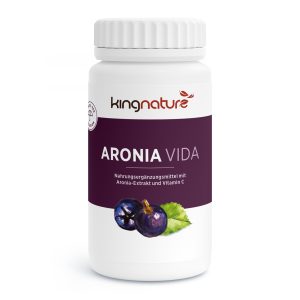
Aronia Vida
CHF 69.00
Longevity – the ability to live a long, healthy life – is an issue that affects us all. It’s not just about the number of years, but also about the quality of life we experience during this time. But how can we ensure that we age healthily and vigorously? The good news is that scientific studies have identified a number of factors that can make a significant contribution to a long and healthy life.
In this article, you will find 9 practical tips based on the latest scientific findings to help you improve your health and extend your life. We have drawn on and summarised solid studies that show the importance of a balanced lifestyle, mental health, exercise and the right diet to slow down ageing.
A balanced diet is the foundation of a long and healthy life. Studies show that a diet rich in fruit, vegetables, wholemeal products, healthy fats (such as omega-3) and lean protein can significantly reduce the risk of chronic diseases such as heart disease, diabetes and cancer.
In particular, the Mediterranean diet, which is based on fresh, unprocessed foods, has been linked to longer life expectancy. This diet is rich in antioxidants, which can fight oxidative stress and thus slow down cell damage and ageing.
I am happy to summarise this information in my own words and add an introductory text:
The study“Healthy Eating Patterns and Risk of Total and Cause-Specific Mortality” provides valuable insights into the relationship between dietary habits and longevity. Based on the results of the study, three basic rules for a life-prolonging diet can be derived:

Regular physical activity also plays a decisive role in longevity. The guiding principle here is:
If you don’t use it, you will lose it!
This sentence describes the phenomenon that abilities, skills or physical functions that are not regularly used or trained can atrophy or be lost over time. Example:
This principle is based on the neuroplasticity of the brain and the body’s ability to adapt. Our brain and body are constantly adapting to the demands to which they are exposed. If certain areas are not used, the corresponding neuronal connections or muscle fibres are broken down.
Physical activity also helps to reduce the risk of many chronic diseases, boost metabolism and improve cardiovascular health. Exercise can slow down cellular ageing and prevent the muscle loss that typically occurs with age.
The WHO recommends at least 150 minutes of moderate exercise per week, such as walking, cycling or swimming. In addition, strength exercises can maintain bone density and muscle strength, which is particularly important in old age.

Chronic stress accelerates the ageing process, weakens the immune system and increases the risk of cardiovascular disease. It is therefore important to develop stress management strategies. Techniques such as meditation, breathing exercises, yoga or mindfulness training have been shown to have a positive effect on cortisol levels and help to reduce stress.
Regular relaxation exercises can help to reduce the physiological effects of stress and promote cognitive health. A study in Science Advances examined baboons over their entire lifespan and found that a sustained increase in the release of cortisol by the adrenal cortex, which occurs during chronic stress, can shorten life. Stress can also exacerbate other risk factors or worsen the course of existing chronic diseases.
For example, stress could discourage people from exercising and encourage smoking, which in turn increases the risk of cardiovascular disease. Stress can also lead to social isolation, which in turn increases stress levels and creates a vicious circle.
Regardless of the direct impact on life expectancy, however, long-term stress has been proven to impair well-being and quality of life – as anyone affected by stress can confirm.

Sleep is essential for the body to regenerate. Sufficient and high-quality sleep is associated with better cognitive function, a stronger immune system and lower mortality. During sleep, cells repair themselves and the brain processes information.
Adults should try to get 7-9 hours of sleep every night. A disrupted sleep-wake cycle has been linked to accelerated cell aging and the risk of cardiovascular disease.
A Harvard University study has analysed the relationship between sleep habits and life expectancy. This long-term study analysed data from 172,321 people over a period of 4.3 years. The study was conducted by researchers from the Beth Israel Deaconess Medical Centre at Harvard University and presented at the World Congress of Cardiology (WCC).
Here are the key findings:
The study identified five key factors for healthy sleep:
Effects on life expectancy:
Health risks:
General effects:

Social connections are an often underestimated factor in longevity. Friendships, family relationships and social engagement not only contribute to mental health, but have also been linked to a longer lifespan. Loneliness, on the other hand, can lead to depression, cognitive decline and a higher risk of premature death.
Regular interaction with friends and family and maintaining social contacts are essential for mental health. Some studies also report on the positive effects of a healthy social environment:
Key findings:

Mental fitness is a key factor in longevity. Mentally stimulating activities such as reading, solving puzzles, learning languages or playing musical instruments can keep the brain fit and reduce the risk of neurodegenerative diseases such as Alzheimer’s or dementia.
Studies have shown that mental activity improves neuronal plasticity and can slow down the decline of cognitive abilities in old age.
Influence on life expectancy:
Mechanisms:
Positive effects of good mental health:
Relationship with other diseases:
Prevention strategies:
These findings emphasise the importance of mental health for a long and healthy life. Preventive measures and the promotion of mental wellbeing should therefore be considered essential components of longevity strategies.

Supplements that specifically target longevity can help to close nutrient gaps and support cellular health. Omega-3 fatty acids, vitamin D, resveratrol and antioxidants are just some of the commonly recommended supplements associated with longevity.
Important nutrients for longevity:
Potential benefits:
Scientifically Discussed Supplements:
Critical view:
Recommendations:
Alternative approaches:

It’s no secret: drinking enough water is essential to keep the body hydrated, promote skin health and boost metabolism. Water helps to transport nutrients to the cells and flush out waste, which supports overall cellular health.
The general recommendation is to drink at least 1.5 to 2 litres of water daily. Drinks such as green tea, which are rich in antioxidants, can also contribute to cellular health.
Effects on the kidneys:
Age-related changes:
Link to longevity:
Practical aspects:

This is also no surprise: smoking, excessive alcohol consumption and excessive consumption of junk food are poison for the body and significantly accelerate the ageing process. Smoking damages the lungs and the cardiovascular system, while excessive alcohol consumption promotes liver disease and inflammation.
Giving up bad habits and switching to a more conscious lifestyle with a healthy diet and regular exercise can significantly slow down the ageing process.
Based on a US veterans’ study, the following findings can be summarised on the link between avoiding harmful habits and longevity:
Main risk factors:
The study identified three main risk factors that significantly shorten life expectancy:
Other harmful habits:
Positive effects of avoidance:
Significance of individual changes:
The study showed that even changing just one or two negative factors can significantly increase life expectancy.
Age-independent benefits:
Even those who start to give up harmful habits later in life (e.g. at 50 or 60) can still achieve considerable health benefits.
Cancer prevention:
A separate study by the German Cancer Research Centre (DKFZ) found that almost 40 percent of all cancer cases in Germany are considered preventable, mainly through lifestyle changes.

The combination of a healthy diet, regular exercise, sufficient sleep and taking care of your mental and social health forms the foundation for a long, healthy life. The tips are based on sound scientific findings that show that even small lifestyle changes can slow down the ageing process and improve quality of life.


Make sure that the place of delivery and the language correspond to your region. Otherwise, change your selection:
 Switzerland
Switzerland
Switzerland Europe
 Weitere Länder
 English
English
English Deutsch
 Français
 Italiano