Popular Products

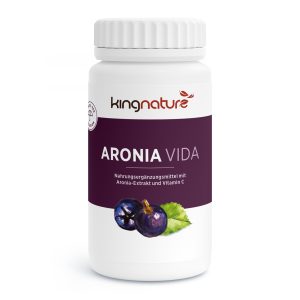
Aronia Vida
CHF 69.00
When the days get shorter, the sun makes itself scarce and the cold depresses the mood, many people may notice a familiar phenomenon: winter depression. This seasonal low mood, also known as “SAD” (Seasonal Affective Disorder), affects many people, especially in the dark winter months. It is often caused by a lack of light, which upsets the hormone balance and makes us tired, listless and sad. But the good news is that there are natural ways to get winter depression under control! From the right diet and vitamin D to exercise and light therapy – with a few simple measures, you can regain more energy and zest for life in the cold season.

Winter depression, also known medically as seasonal affective disorder (SAD), is a form of depression that mainly occurs in the dark autumn and winter months. It typically starts at the same time every year and subsides again in spring. But what is behind it?
The main cause is the lack of daylight. In the winter months, the body produces more melatonin, a hormone that makes us tired, due to the reduced amount of sunlight. At the same time, less serotonin, the so-called happiness hormone, is produced. This imbalance in hormone levels can have a direct impact on mood and lead to symptoms such as listlessness, sadness and even insomnia.
Another factor is the disturbed sleep-wake rhythm: Less light in the morning hours upsets the internal clock, which has a negative impact on energy levels and general mood. People in northern countries, where the winter days are particularly short and the sun is barely visible, are particularly affected.
Winter depression can manifest itself through a variety of symptoms, which vary in severity depending on the individual. Here is an overview of the most common signs:
Emotional symptoms:
Cognitive symptoms:
Physical symptoms:
Social symptoms:
Milder form: Winter blues
Similar symptoms can occur with the “winter blues”, but they are less intense. Typical symptoms include a slight lack of motivation or increased tiredness, without the quality of life being severely affected.
All symptoms should be taken seriously, especially if they last longer than two weeks and have a significant impact on everyday life!

Winter depression should be diagnosed by a doctor or psychotherapist who specialises in mental illness. As many of the symptoms – such as tiredness, listlessness or low mood – can also occur with other illnesses, it is important to clearly differentiate between them. Here are the usual steps for diagnosis:
The treatment of winter depression depends on the severity of the symptoms and the individual needs of those affected. In many cases, the symptoms can be alleviated using natural approaches, while medical treatment may also be necessary for more severe forms. One of the most effective methods is light therapy, where sufferers sit in front of a special daylight lamp every day to compensate for the lack of light and boost the production of serotonin.
In addition, taking vitamin D can help, as a deficiency of this “sun vitamin” is often associated with winter depression. Other important measures include regular exercise in the fresh air – even on grey days – and a balanced, vitamin-rich diet. In more severe cases, psychotherapeutic measures such as cognitive behavioural therapy or, if necessary, antidepressants can be used. It is important that the treatment is individually tailored to the person affected in order to achieve long-term improvement.

There are many natural ways to alleviate the symptoms of winter depression and bring the body back into balance. Here are some of the most effective approaches:
Vitamin D plays a crucial role in our mood as it promotes the production of serotonin – the happiness hormone. In winter, when the sun shines less, many people suffer from a vitamin D deficiency, which can favour winter depression.
Even on grey days, it’s good to get outside. Outdoor exercise helps to get the circulation going and even indirect daylight promotes the production of serotonin. Physical activity also boosts the release of endorphins, which also improve mood.
Light therapy is one of the most effective measures against winter depression. Special daylight lamps simulate natural sunlight, causing the body to produce less melatonin (sleep hormone) and increasing serotonin levels.
A balanced diet has a major influence on our mental health. Certain foods support serotonin production and supply the body with important nutrients.
A structured daily routine can help to break out of lethargy and find motivation. Plan specific times for exercise, socialising and relaxation.
Certain medicinal plants such as St John’s wort are known for their mood-lifting effects. They can be a good supplement to alleviate mild symptoms of winter depression.

This self-test can help you recognise signs of winter depression. Answer the following questions honestly and at the end count how many questions you could answer with “yes”. Please note that this test cannot replace a medical diagnosis – if symptoms persist, you should always consult a doctor or therapist!
Questions:
Evaluation:
Tip: Carry out this test regularly to see if your symptoms change. It’s important to listen to your body’s signals and take action in good time
There are many ways to actively prevent winter depression before it even starts. The right combination of light, exercise and a healthy lifestyle can help you get through the dark months better and get through the winter with more energy. Here are the most effective strategies:
The lack of daylight is one of the main causes of winter depression. By filling up on natural light as much as possible, you can stabilise your mood.
Tip: Spend time outside every day, preferably in the morning, even if it’s cloudy. If necessary, consider using a daylight lamp to compensate for the lack of light.
Extra: Place your workstation near a window to get more daylight.
Vitamin D is not only essential for bone health, but also for your mood. A deficiency can increase the likelihood of winter depression.
Tip: Have your vitamin D level tested in autumn. If necessary, vitamin D supplements can be a good support. Foods such as salmon, egg yolk and mushrooms also contain valuable vitamin D.
Regular physical activity not only lifts your mood, but also promotes the production of happiness hormones such as serotonin.
Tip: Plan at least 30 minutes of exercise a day, be it a walk, a jog or a yoga session. Exercise in the fresh air is particularly effective.
Extra: Group sports or dance classes combine exercise with social interaction – twice as good for your mood!
A balanced diet with nutrient-rich foods supports your body and mind.
Tip: Eat foods rich in tryptophan (e.g. bananas, oatmeal, nuts), as these promote the production of serotonin.
Extra: Avoid excessive consumption of sugar and alcohol, as these give you energy in the short term but can lead to low moods in the long term.
A regular daily routine can help to give winter days more structure and positivity.
Tip: Plan fixed times for sleep, meals, exercise and leisure activities. Rituals such as a walk after lunch or a short meditation break in the afternoon can break up the day.
Isolation can exacerbate depressive moods. Keep in touch with family and friends, even if you feel listless.
Tip: Make regular appointments, whether for a coffee, a walk or a video call. Social interaction promotes well-being.
Winter can be a challenge, but also an opportunity for more mindfulness and self-care.
Tip: Keep a gratitude diary to focus on positive things. Make conscious use of the dark time of year to calm down, read or try out new hobbies.
Extra: Breathing exercises or short meditations help to reduce stress and lift your mood.
Even if you don’t (yet) have any symptoms of winter depression, regular use of a daylight lamp during the darker months can have a preventative effect.
Tip: Use the lamp in the morning to prepare your body for the day and stabilise your internal clock.

Winter can be a challenging time for many people – dark days, little light and the feeling that everything is getting harder. But the good news is that we are not alone and there are many ways to improve our mood and get through the cold season. Natural measures such as light therapy, exercise and a balanced diet can help to re-energise and get winter depression under control.
However, if you feel that the strain is getting too much, don’t hesitate to talk to someone about it. Confide in a friend, family member or other trusted person. Sometimes it can help to talk about your thoughts and worries and receive support. It is often the small gestures and conversations that remind us that we are not alone.
And always remember: dark days are only temporary, and winter will also pass. It’s perfectly okay to feel weak sometimes – what matters is taking yourself seriously and taking small steps to feel better. You deserve to feel good and there is always a way forward. Hang in there – the sun will come back! 🌞


Make sure that the place of delivery and the language correspond to your region. Otherwise, change your selection:
 Switzerland
Switzerland
Switzerland Europe
 Weitere Länder
 English
English
English Deutsch
 Français
 Italiano