Popular Products

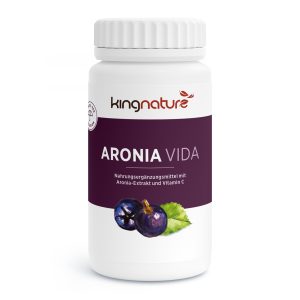
Aronia Vida
CHF 69.00
Vitamin A is a fat-soluble vitamin that occurs in various forms and fulfils a variety of biological functions in the body. It is an essential nutrient that the body cannot produce itself and must therefore obtain from the diet. Vitamin A is known for its role in maintaining vision, supporting the immune system, skin health and cell division.
Vitamin A exists in two main forms: Retinoids and carotenoids.
Retinoids: This form of vitamin A is mainly found in animal foods and includes various compounds such as retinol, retinal and retinoic acid. Retinol is the most abundant form and is metabolised in the body into retinal and retinoic acid, which are important for vision and cell function. Retinoids are directly bioavailable and can be utilised by the body immediately. Sources of retinoids are liver, fish oil, dairy products and eggs.
Carotenoids: These are plant-based precursors of vitamin A that the body can convert into retinol. There are over 600 different carotenoids, but only about 50 of them can be converted into vitamin A. The best-known carotenoids are beta-carotene, alpha-carotene and beta-cryptoxanthin. Carotenoids also have antioxidant properties that help to combat free radicals. Plant sources of carotenoids include carrots, sweet potatoes, spinach, kale and other green, orange and yellow vegetables.
Both forms of vitamin A are essential for health, and a balanced diet should include both retinoids and carotenoids to meet the body’s needs.

Vitamin A plays a central role in maintaining a healthy immune system. It contributes to the normal function of immune cells such as T-cells and B-cells, which are essential for defence against infection and disease. Adequate levels of vitamin A help the body to fight infections more effectively and strengthen the immune system overall. A lack of vitamin A can weaken the immune system and increase susceptibility to infections.
Vitamin A is crucial for eye health and maintaining vision. It is a component of rhodopsin, a protein in the eyes that converts light into electrical signals that the brain can interpret. A lack of vitamin A can lead to night blindness and other vision problems. Adequate intake of vitamin A helps prevent age-related eye diseases such as macular degeneration and cataracts and supports overall eye health.
Vitamin A is essential for the maintenance and repair of the skin. It promotes the production and maturation of skin cells and helps to keep the skin supple and resilient. Retinoids, a form of vitamin A, are often used in topical skin care products to treat acne, wrinkles and other skin problems. Vitamin A also supports the healing of wounds and can help treat skin conditions such as psoriasis and eczema.
Vitamin A is crucial for cell division and differentiation, processes that are fundamental to the growth and development of the body. It helps cells to develop into specialised forms and perform their specific functions. This is particularly important for the development of embryos and the regeneration of tissues throughout the body. A lack of vitamin A can lead to growth disorders and impaired development.
The health benefits of vitamin A are numerous and include supporting the immune system, maintaining vision, promoting skin health and playing a role in cell division and differentiation. Adequate intake of this important vitamin is crucial for overall well-being and disease prevention.
Vitamin A in the form of retinoids is mainly found in animal foods. This form of the vitamin is directly bioavailable and can be utilised by the body immediately. Here are some of the best animal sources of vitamin A:
Plant sources of vitamin A contain carotenoids, which the body can convert into retinol. This form of the vitamin has additional antioxidant properties. Here are some of the best plant sources of carotenoids:
For those who find it difficult to get enough vitamin A from their diet, supplements can be a practical solution. There are various forms of vitamin A supplements:
When taking supplements, it is important not to exceed the recommended daily dose, as an overdose of vitamin A can be toxic. A balanced diet that includes both animal and plant sources of vitamin A is the best way to meet daily requirements.
The recommended daily intake of vitamin A varies depending on age, gender and lifestyle. Here is a table with the daily recommendations:
| Age group | Recommended daily intake (mcg retinol equivalents) |
|---|---|
| Infants (0-6 months) | 400 mcg |
| Infants (7-12 months) | 500 mcg |
| Children (1-3 years) | 300 mcg |
| Children (4-8 years) | 400 mcg |
| Children (9-13 years) | 600 mcg |
| Adolescents (14-18 years) | 900 mcg (male), 700 mcg (female) |
| Adults (19 years) | 900 mcg (male), 700 mcg (female) |
| Pregnant women | 770 mcg |
| Nursing mothers | 1300 mcg |
These values will help you plan your daily vitamin A intake and ensure you get enough of this important nutrient to support your health. By consuming these varied sources, you can ensure that you are getting enough vitamin A to support your health and well-being.

A lack of vitamin A can have serious health consequences, as this vitamin is essential for many important bodily functions. The most common symptoms and effects of vitamin A deficiency include
Vitamin A deficiency can be caused by various factors:
Prevention of vitamin A deficiency includes a balanced diet rich in vitamin A-containing foods. This can be achieved by consuming animal sources such as liver, fish oil, dairy products and eggs, as well as plant sources such as carrots, sweet potatoes and green leafy vegetables.
In cases of diagnosed vitamin A deficiency, treatment may include taking vitamin A supplements under medical supervision. The dosage and duration of supplementation depend on the severity of the deficiency and individual needs.
By eating a healthy diet and using supplements if necessary, you can ensure that your vitamin A levels are in the optimum range and support your health.
Vitamin A is an essential nutrient that plays a key role in many important bodily functions. It supports the immune system, maintains vision, promotes skin health and is crucial for cell division and differentiation. Both animal and plant sources can contribute to meeting daily requirements, while supplements offer a practical option, especially in cases of increased need or malabsorption.
Vitamin A deficiency can have serious health consequences, including night blindness, dry eyes, increased susceptibility to infections, skin problems and stunted growth. A balanced diet rich in vitamin A and carotenoids is crucial for preventing a deficiency, and you can effectively support and maintain your health in the long term by consciously consuming foods rich in vitamin A and, if necessary, dietary supplements.


Make sure that the place of delivery and the language correspond to your region. Otherwise, change your selection:
 Switzerland
Switzerland
Switzerland Europe
 Weitere Länder
 English
English
English Deutsch
 Français
 Italiano