Popular Products

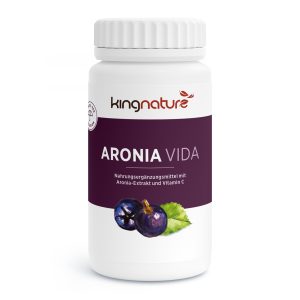
Aronia Vida
CHF 69.00




| Order Quantity | 1+ |
|---|---|
| Unit Price | CHF 295.00 |
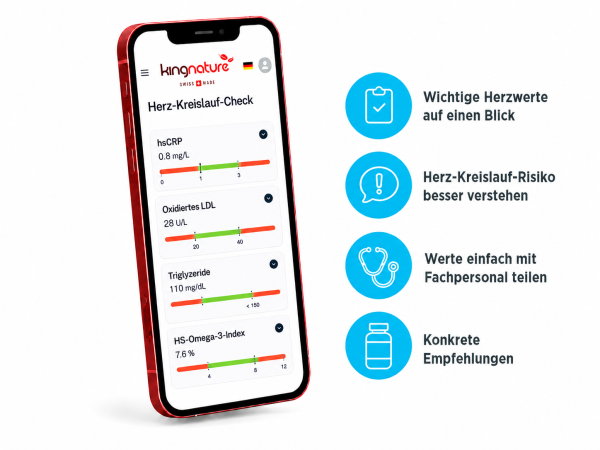
Gain a clearer picture of your cardiovascular health: Test selected blood markers from the comfort of your own home and receive an easy-to-understand lab report with key metrics related to your heart and blood vessels.

Cardiovascular Checkup for Home: Measure selected blood values, receive lab analysis, and get an assessment of your cardiovascular health.
Cardiovascular diseases are the leading cause of death worldwide. Risk factors may go unnoticed. Our test shows you the state of your heart health—so you can take action in time.

The cardiovascular checkup measures seven key blood markers that provide information about inflammation, blood lipids, and your fatty acid balance. This allows for the early detection of potential risk factors and a better assessment of your heart health.
This marker indicates whether there is silent inflammation in the body that can put a strain on the blood vessels. Chronic inflammation increases the risk of atherosclerosis and cardiovascular disease.
A blood lipid that provides information about lipid metabolism and metabolic stress. Elevated levels may increase the risk of atherosclerosis and insulin resistance.
A particularly meaningful marker of cardiovascular risk. It indicates whether the ratio of “bad” to “good” fats is balanced.
Shows the ratio of arachidonic acid (pro-inflammatory) to eicosapentaenoic acid (anti-inflammatory). A favorable ratio indicates a balanced level of inflammation and fatty acids.
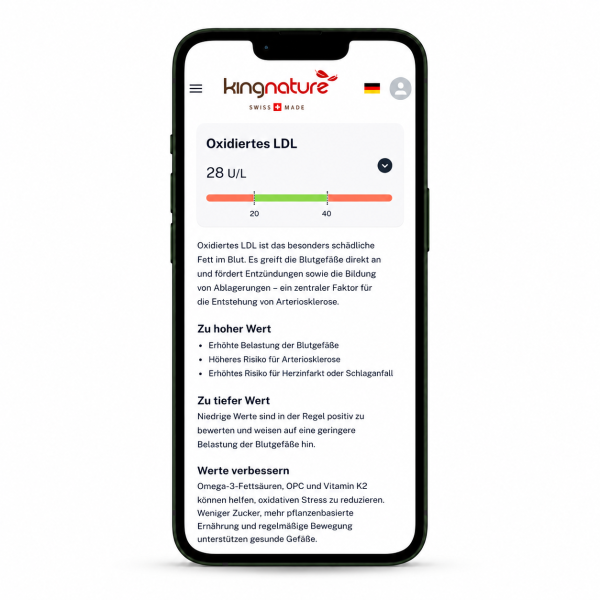
The most harmful LDL fat in the blood, which directly attacks the arteries and is the main cause of atherosclerosis. It indicates early-stage risks that are often not apparent from standard cholesterol levels.
“Good” cholesterol protects the walls of blood vessels from plaque buildup. A high HDL level is a sign of a healthy cardiovascular profile.
Measures the proportion of the omega-3 fatty acids EPA and DHA in red blood cells. A higher index indicates an adequate supply of anti-inflammatory fatty acids and is considered a protective factor for the heart and blood vessels.
Total cholesterol, LDL cholesterol, non-HDL cholesterol, the LDL/HDL ratio, and the total cholesterol/HDL ratio provide a comprehensive overview of cholesterol metabolism. While the individual cholesterol levels show how cholesterol is distributed in the blood, the ratios put these values into perspective and allow for a more nuanced assessment of cardiovascular risk. This makes it easier to determine whether the cholesterol profile is more likely to harm or protect the blood vessels.
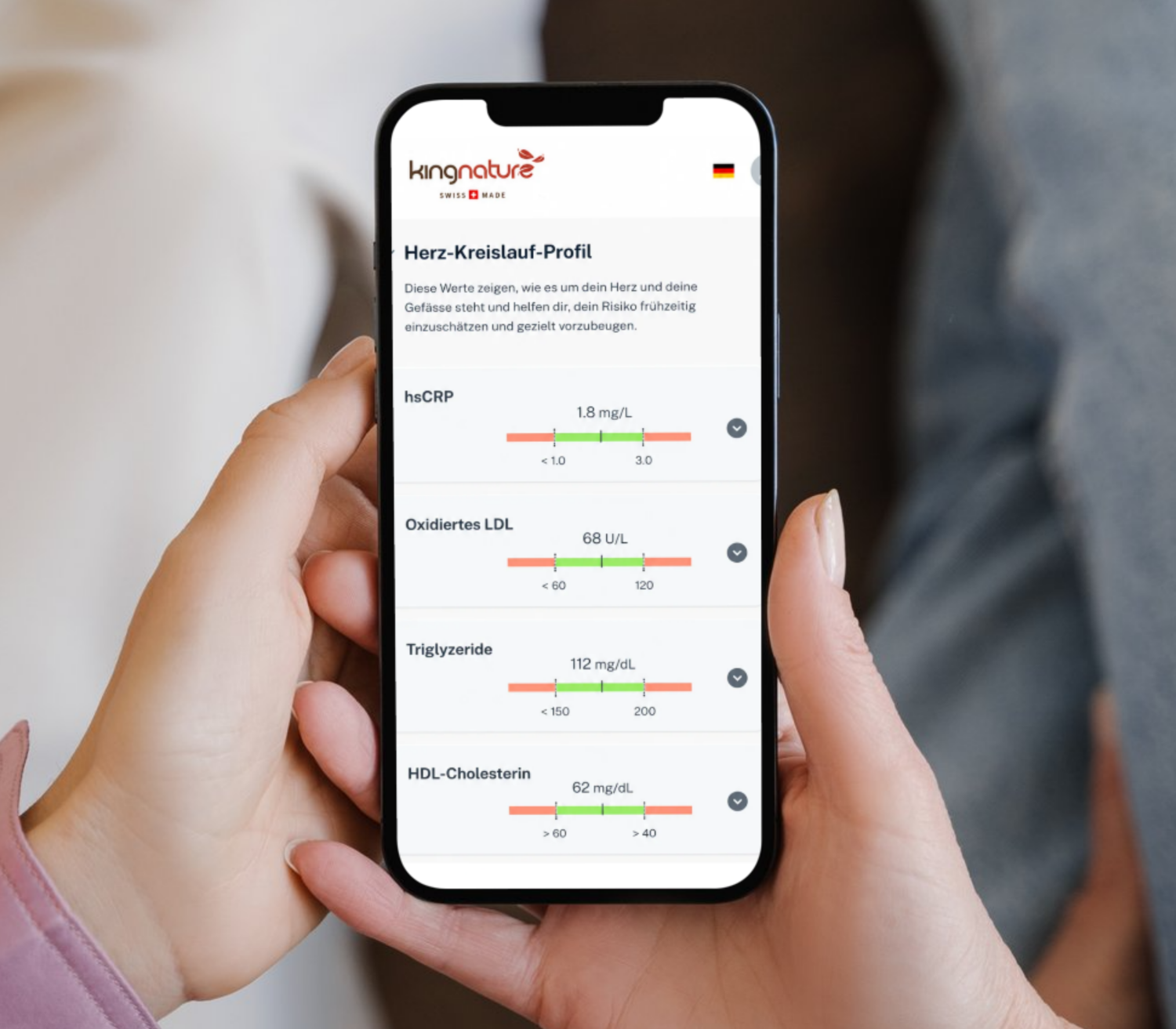
With the cardiovascular checkup, you can get your personal blood test results from the comfort of your own home. After the samples are analyzed at a certified Swiss laboratory, your results will be available online in an easy-to-read format.
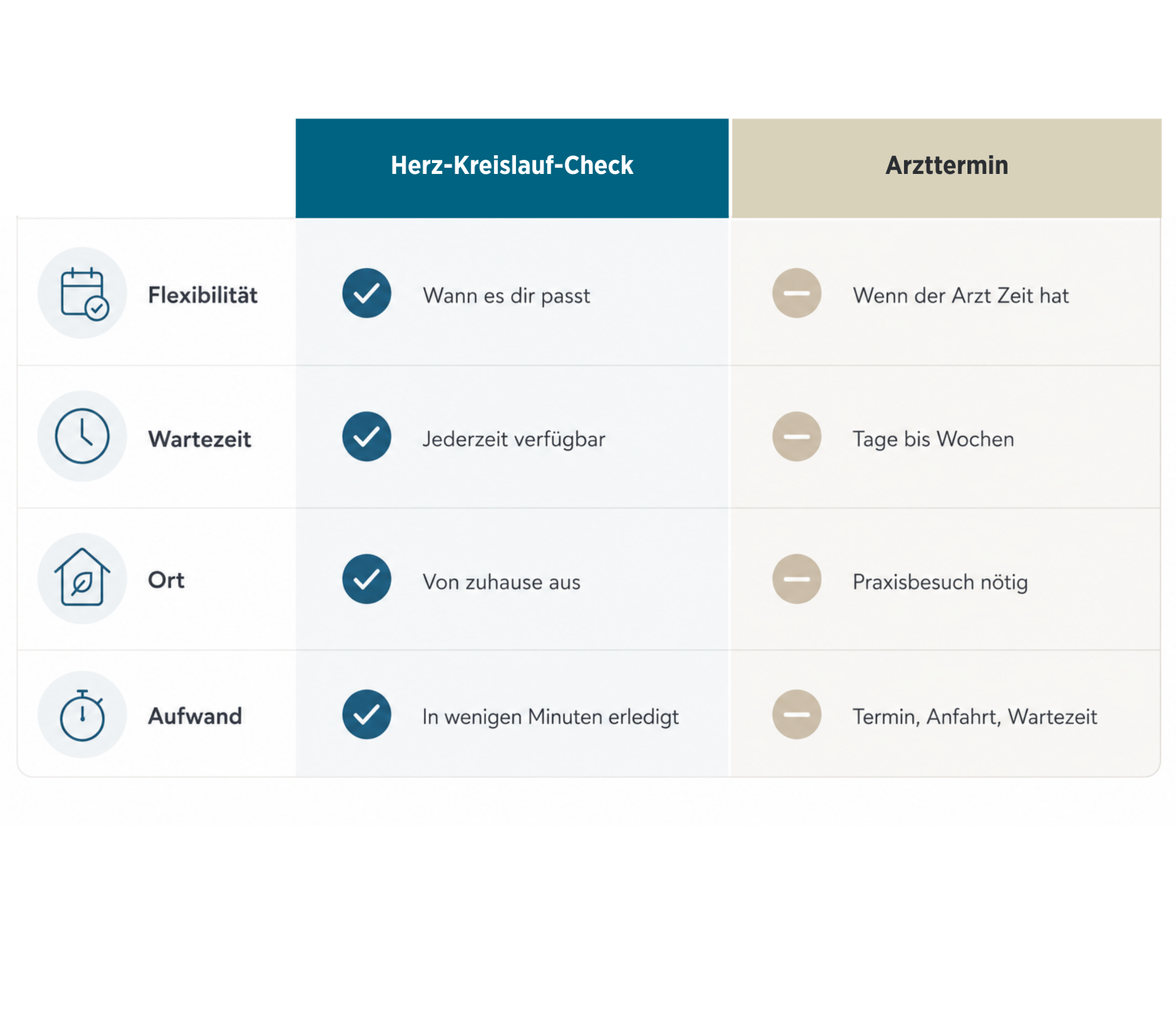
A doctor’s appointment often takes time—scheduling the appointment, traveling there, waiting in the waiting room, and getting blood drawn. With the Cardiovascular Check, you can take care of everything from the comfort of your own home.
In just four simple steps, you’ll receive your personalized results.
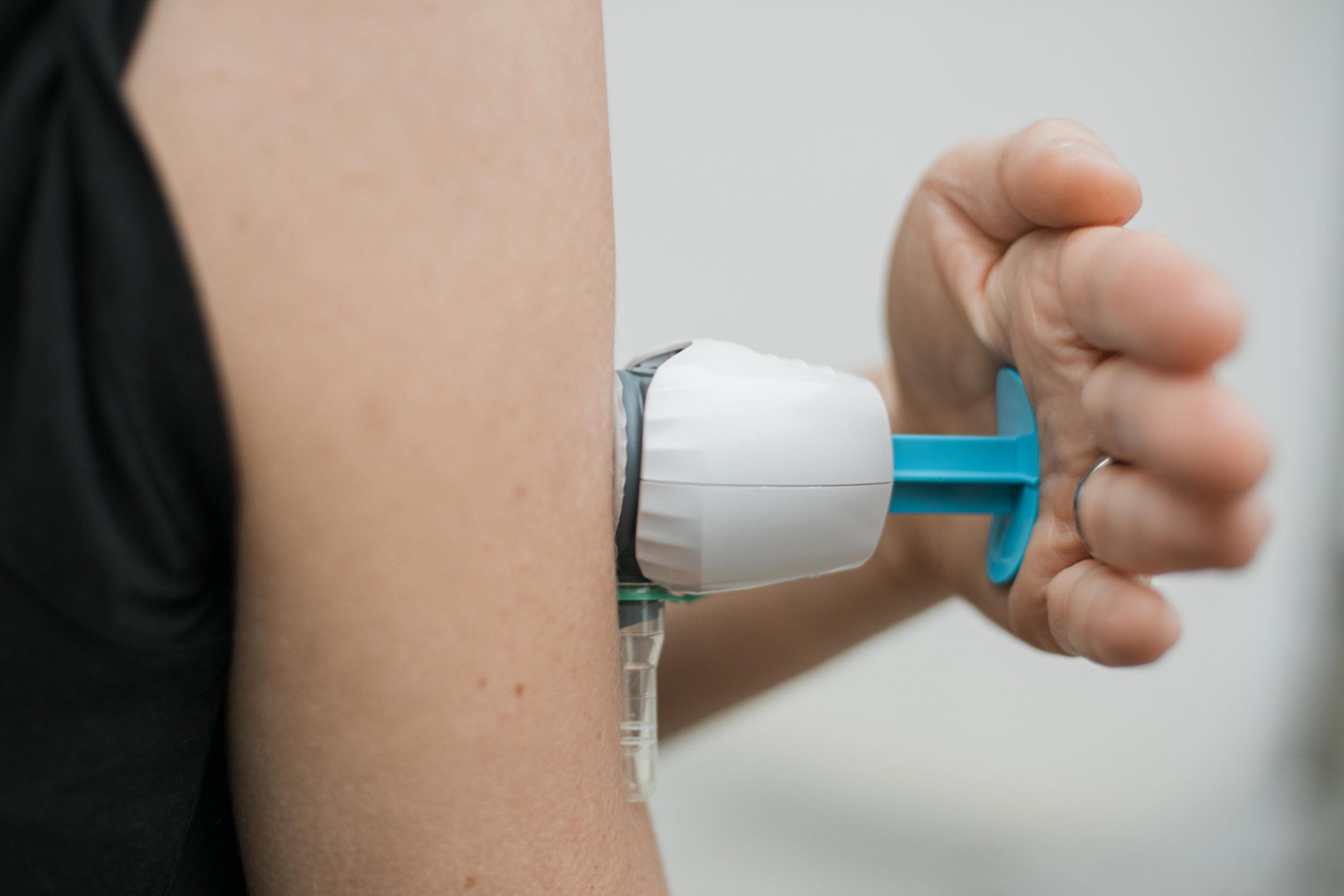
Normally, such analyses require several blood collection tubes filled with venous blood. This necessitates a visit to a doctor’s office. Analyzing micronutrients from very small blood samples is a challenge that SwissAnalysis AG has successfully overcome. Thanks to this sophisticated technology, a wide range of values can be tested using just a small amount of blood. You’ll then receive a detailed and easy-to-understand report from the lab for each individual value measured.
“Very easy to use, painless (I didn’t feel a thing), and quick results.”
Monica B. on the TAP blood test


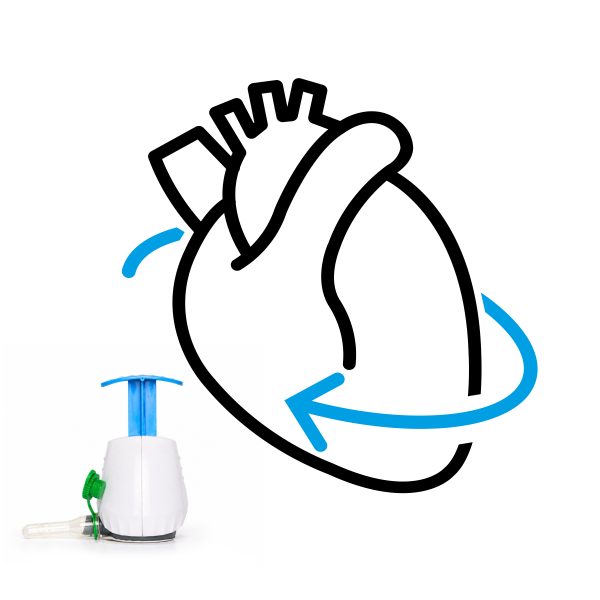
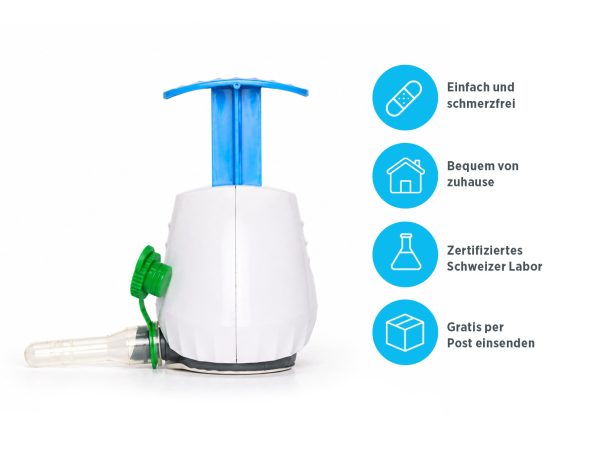
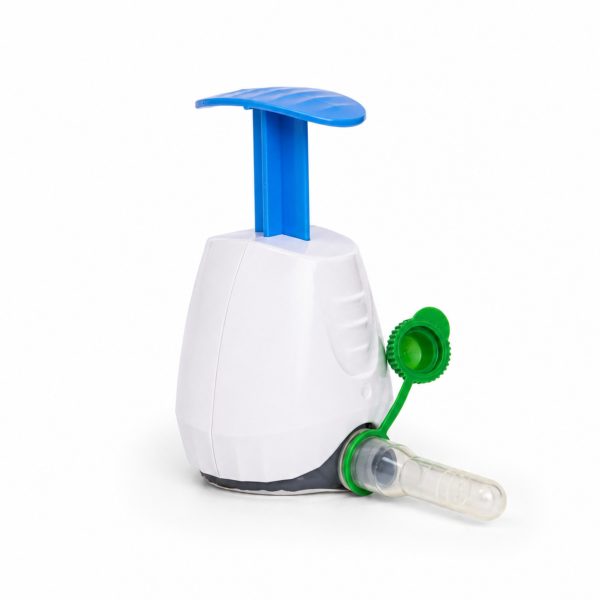
Includes the TAP® blood collection device (single-use), analysis at a certified Swiss laboratory, and an easy-to-understand report with the results.
Suitable for ages 16 and older.

The analysis and evaluation are performed by a certified laboratory in Switzerland.
The cardiovascular checkup measures high-sensitivity CRP (hsCRP), oxidized LDL, triglycerides, total cholesterol, LDL cholesterol, HDL cholesterol, non-HDL cholesterol, the LDL/HDL ratio, the total cholesterol/HDL ratio, the triglycerides/HDL ratio, the HS-Omega-3 Index, and the AA/EPA ratio. The combination of these parameters allows for a comprehensive assessment of vascular health, cholesterol profile, lipid metabolism, and fatty acid status, and provides valuable insights into an individual’s cardiovascular risk.



Make sure that the place of delivery and the language correspond to your region. Otherwise, change your selection:
 Switzerland
Switzerland
Switzerland Europe
 More countries
 English
English
English Deutsch
 Français
 Italiano