Popular Products

Aronia Vida
CHF 69.00
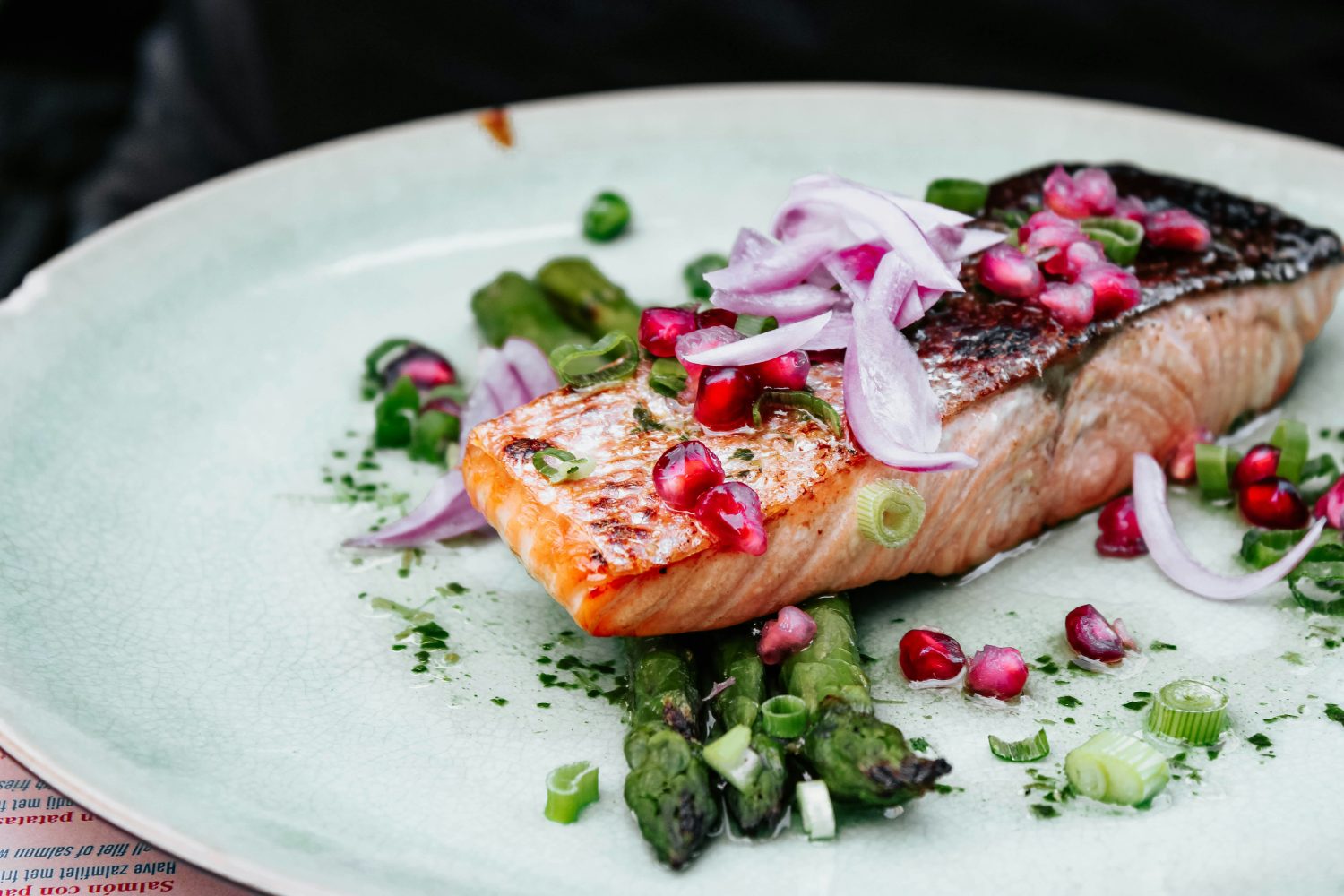
The ketogenic diet, often referred to as the keto diet, is a diet characterised by a high fat, moderate protein and very low carbohydrate intake. The main aim of this diet is to put the body into a state of ketosis, where it begins to use fat instead of glucose as its primary source of energy.
Principles of the keto diet:
Low carb diets: While both diets restrict carbohydrate intake, the keto diet is much stricter and emphasises higher fat intake to achieve ketosis. Low carb diets often allow a higher carbohydrate intake and focus less on fat.
Calorie reduction diets: These diets focus on reducing overall calorie intake, regardless of macronutrient distribution. The keto diet aims to change the type of calories (more fat and fewer carbohydrates) in order to influence the metabolism.
Mediterranean diet: This diet emphasises the consumption of healthy fats, whole grains, fruits and vegetables, but does not strictly limit carbohydrate intake or emphasise ketosis.
Vegetarian/vegan diets: These diets exclude animal products (vegan) or reduce them (vegetarian) and can be high in carbohydrates, especially if lots of pulses and grains are consumed. The keto diet can be adapted to vegetarian and vegan principles, but requires careful planning to keep carbohydrate intake low and include sufficient fat and protein.
By following the principles of the ketogenic diet, the body can be put into a state of ketosis, which offers many health benefits, including weight loss, improved mental clarity and stabilised blood sugar balance.
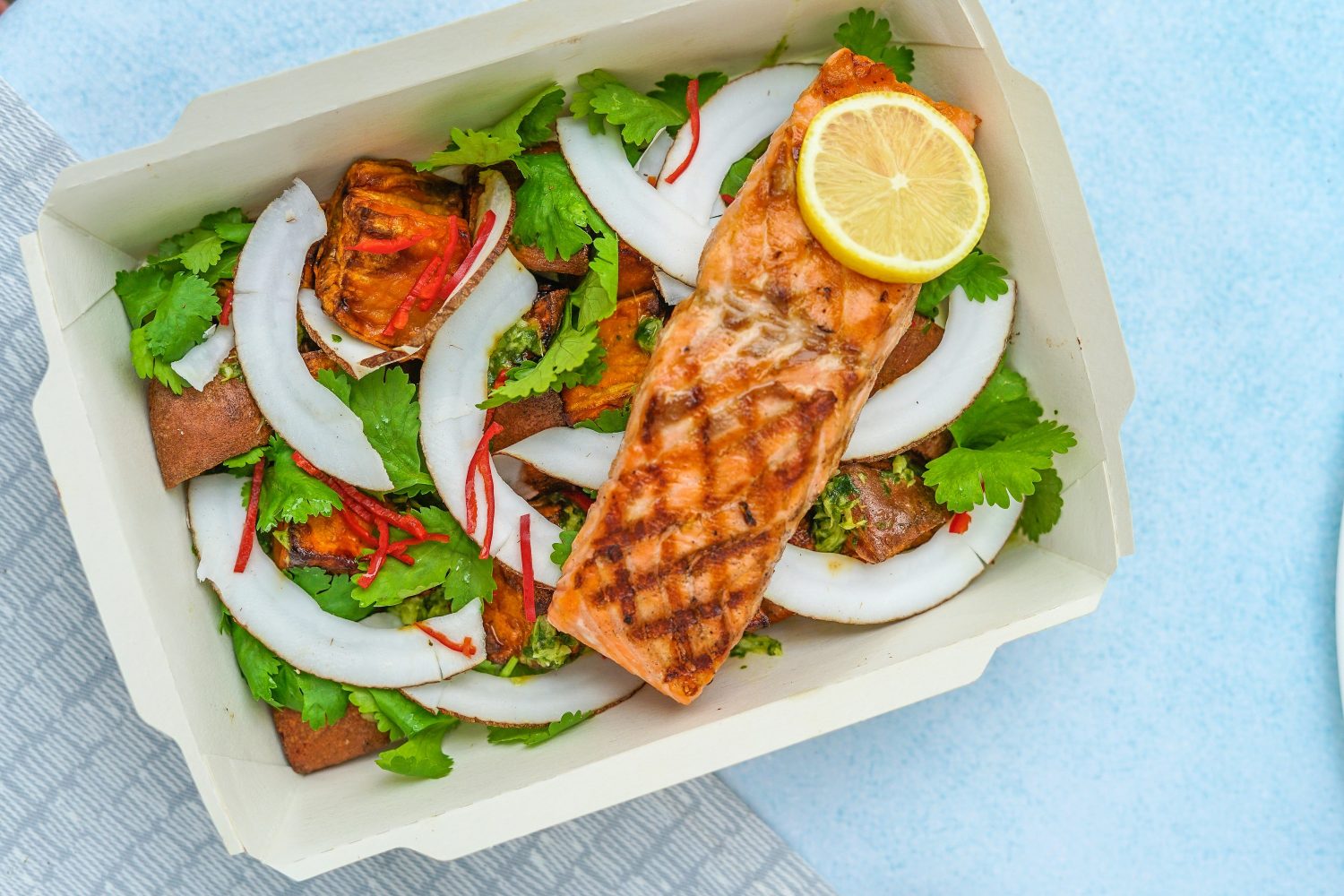
A key aspect of the keto eating plan is the distribution of macronutrients, which aims to put the body into a state of ketosis. The typical macronutrient distribution in a ketogenic diet is as follows:
What is ketosis? Ketosis is a metabolic state in which the body uses fat as its main source of energy. This occurs when carbohydrate intake is drastically reduced and the body begins to convert fatty acids into ketones. These ketones then serve as an alternative energy source, especially for the brain, which normally favours glucose.
How do you achieve ketosis? To achieve the state of ketosis, the following steps must be followed:
Entering ketosis can take a few days to a week, depending on individual metabolic characteristics and strict adherence to the diet. It is important to be patient during this phase and strictly adhere to the macronutrient distribution to achieve the desired results.
The ketogenic diet has proven to be extremely effective for weight loss. By drastically reducing carbohydrates and increasing fat intake, the body enters a state of ketosis where it utilises fat as its primary energy source. This leads to more efficient fat burning and a reduction in body fat. Studies show that people who follow a ketogenic diet often lose weight faster and more sustainably than with conventional diets. Another benefit is the reduced feeling of hunger, as high-fat foods keep you feeling fuller for longer and keep blood sugar levels stable.
The ketogenic diet is often associated with improved mental clarity and increased energy. Ketones, which come from burning fat, are an efficient source of energy for the brain. Many people report increased concentration and mental performance once they are in a stable state of ketosis. This cognitive improvement is particularly beneficial for people who perform intense mental work or suffer from brain fog.
Another significant benefit of the ketogenic diet is the stabilisation of blood sugar levels. The low intake of carbohydrates prevents insulin spikes, which leads to a steady flow of energy. This is particularly beneficial for people with type 2 diabetes or insulin resistance, as it can help to better control blood sugar levels and reduce the need for medication. In addition, stabilising blood sugar levels can reduce cravings and lead to an overall better mood and energy.
Due to these multiple benefits, the ketogenic diet is not only considered an effective method for weight loss, but also a sustainable approach to improving overall health and well-being.
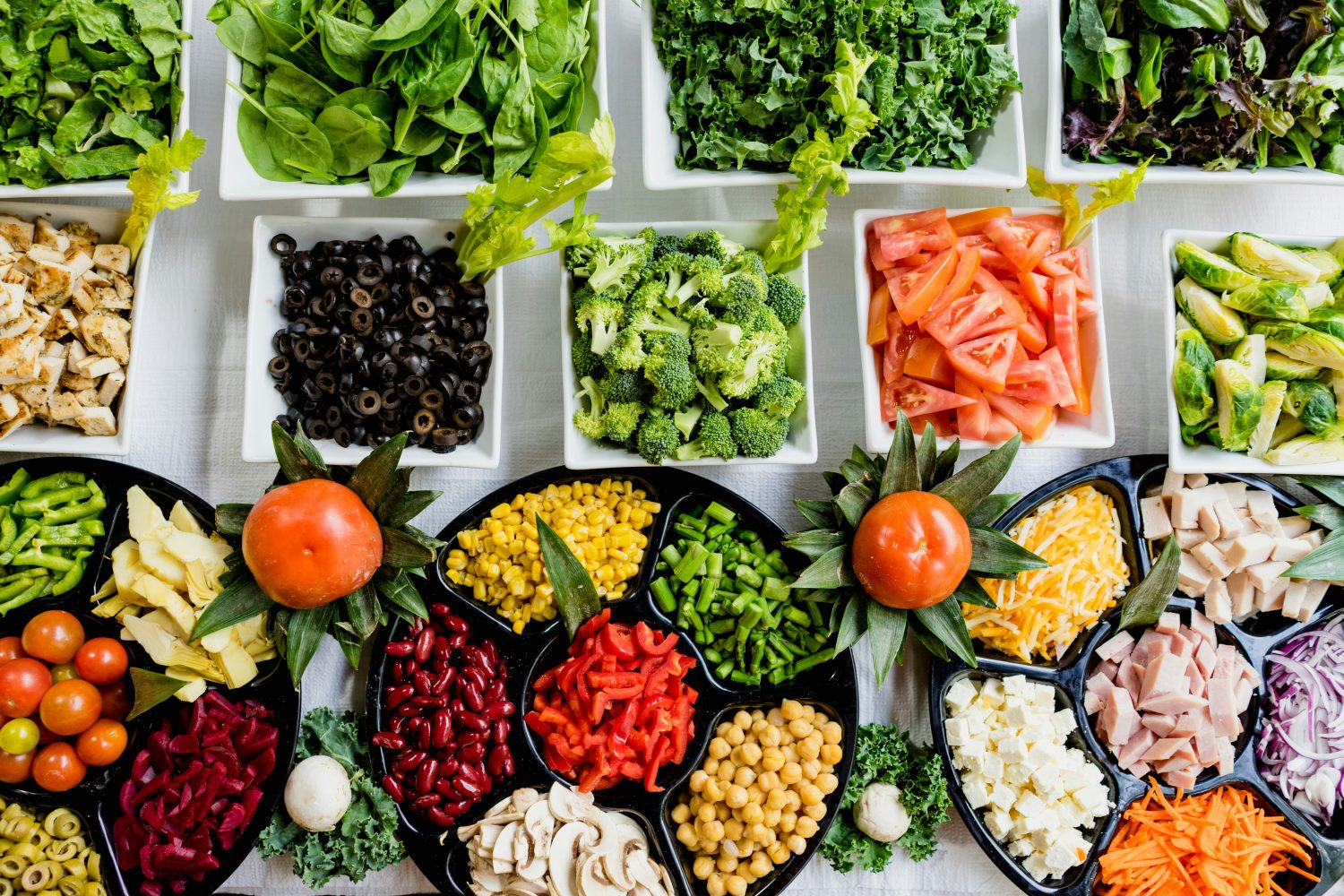
Possible ingredients:
These foods provide a rich variety of nutrients that support the body in a state of ketosis while providing variety and enjoyment.
Ingredients to avoid:
These foods contain high amounts of carbohydrates, which can bring the body out of ketosis, and should therefore be avoided.
Monday: Avocado egg dish with spinach
Tuesday: Chia pudding with coconut milk and berries
Wednesday: Scrambled eggs with salmon and avocado
Thursday: Keto pancakes
Friday: Smoothie
Saturday: Omelette with cheese and vegetables
Sunday: Keto yoghurt with nuts
Monday: Chicken breast with courgette noodles
Tuesday: Tuna salad with olive oil and feta
Wednesday: Grilled prawns with broccoli
Thursday: Stuffed peppers with minced meat
Friday: Keto burger without a bun
Saturday: Salmon fillet with cauliflower rice
Sunday: Turkey strips with avocado salad
Monday: Beef steak with cauliflower rice
Tuesday: Baked salmon with asparagus
Wednesday: Pork chops with mushrooms
Thursday: Chicken breast with avocado salsa
Friday: Tuna steak with courgette noodles
Saturday: Keto pizza
Sunday: Prawn curry
Nuts and seeds: Almonds, walnuts, chia seeds Vegetable sticks: celery, peppers, cucumber with guacamole Cheese: cheddar, mozzarella, brie
These detailed plans and recipes offer a comprehensive insight into a balanced and varied keto diet that is not only healthy, but also tasty and filling.
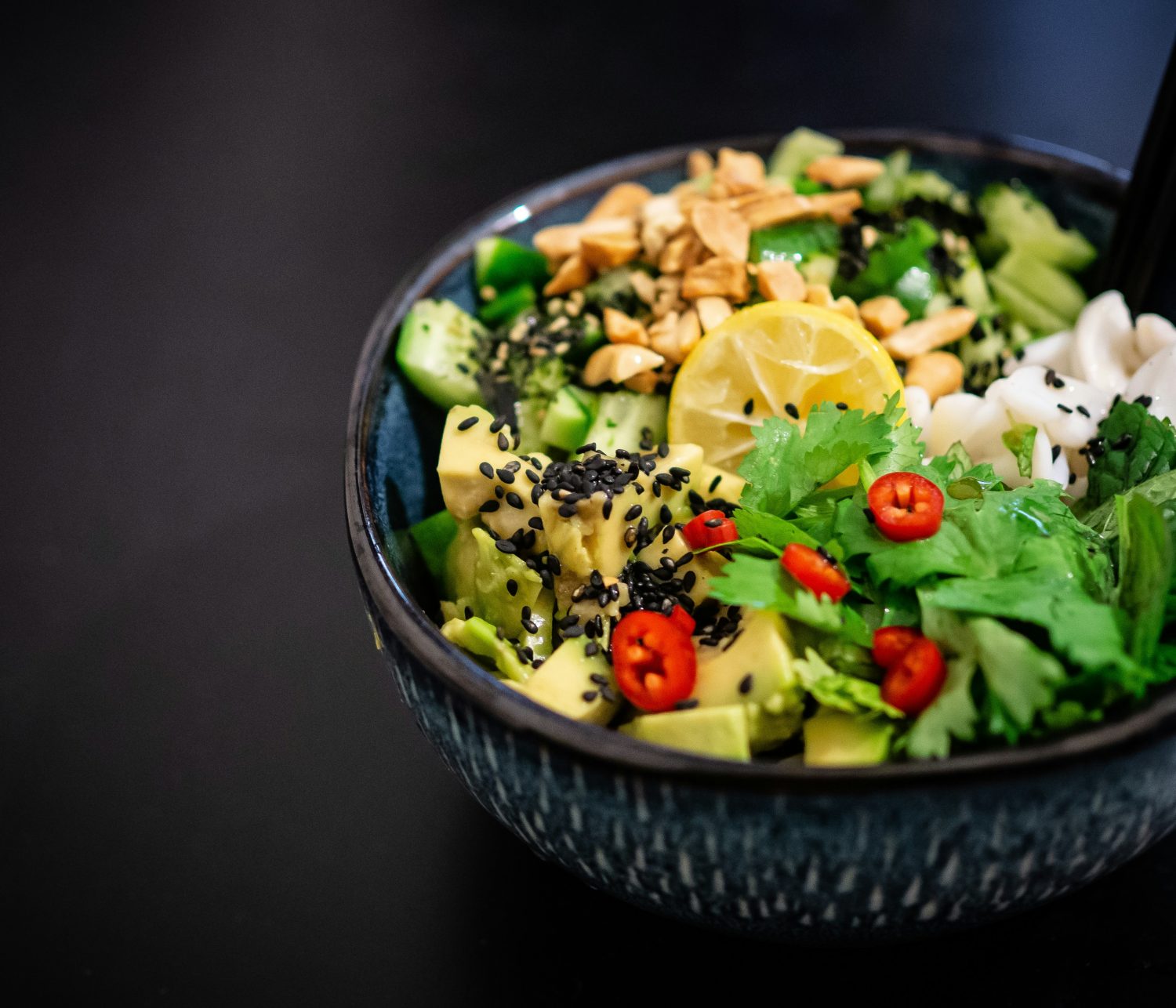
Switching to the keto diet can be difficult at first. Carbohydrate cravings, loss of energy and digestive issues are common challenges. Slowly reducing carbohydrates and increasing your intake of healthy fats and proteins can make the transition easier. It is also important to carefully monitor macronutrients and prepare well for meals to avoid temptations.
The “keto flu” is a common phenomenon in the first few days of the keto diet, caused by the abrupt reduction of carbohydrates. Symptoms can include fatigue, headaches, nausea and irritability. To avoid this, it is important to drink plenty of water and increase electrolyte intake, especially sodium, potassium and magnesium. Consuming broth or savoury snacks can also be helpful.
During the keto diet, adequate hydration is crucial as the body loses more water when it is in ketosis. Drink at least 2-3 litres of water daily. Supplement your diet with electrolyte-rich foods or supplements to compensate for the loss of minerals.
Athletically active people need to ensure that they have enough energy for their training sessions. Increasing fat intake and sticking to a regular meal plan can help keep energy levels stable. Taking medium-chain triglycerides (MCTs) from coconut oil can be a quick source of energy.
Low carbohydrate, high fat snacks such as nuts or cheese should be consumed before training to provide energy. After training, it is important to provide the body with sufficient protein and healthy fats to support muscle recovery. An example of a post-workout meal could be a salmon fillet with avocado and green vegetables.
By adapting their diet and carefully planning their meals, athletes can reap the benefits of the keto diet while maintaining their athletic performance.
During the keto diet, supplements can be helpful to provide the body with necessary nutrients and ease the transition into ketosis. Recommended supplements are:
kingnature offers a range of high quality supplements specifically designed to support health during the keto diet:
By incorporating these supplements, the keto diet can be made more effective and enjoyable, with kingnature products offering excellent quality and efficacy.
The ketogenic diet can provide numerous health benefits, including weight loss, improved mental clarity and stable blood sugar levels. Success depends on careful planning and choosing the right foods. By integrating healthy fats, moderate proteins and few carbohydrates, you can enter the state of ketosis, where your body efficiently utilises fat as an energy source.
Switching to a keto diet plan requires commitment, but can be motivating due to the numerous benefits. It is important to consider individual needs and preferences and be aware that the initial challenges, such as the ‘keto flu’, can be overcome. Gradually reducing carbohydrates and increasing your intake of healthy fats and electrolytes can make the transition easier.
kingnature offers high-quality supplements that can support the keto diet, such as omega-3 capsules, magnesium supplements and vitamin D3. These products help prevent nutrient deficiencies and maximise the health benefits of the ketogenic diet.


Make sure that the place of delivery and the language correspond to your region. Otherwise, change your selection:
 Switzerland
Switzerland
Switzerland Europe
 Weitere Länder
 English
English
English Deutsch
 Français
 Italiano