“Eat your vitamins!” – a phrase we hear from an early age and a word that is familiar to all of us. But what exactly are vitamins, why are they so important for our bodies and what happens if we don’t get enough of them? This article provides answers to these questions and presents the 13 most important vitamins that every human body – and therefore your body – needs!
“What exactly are vitamins?”
If this question ever comes back from a child, we can help with an answer that everyone understands:
Vitamins are little helper substances that our bodies need to stay healthy and strong. Think of vitamins as tiny tools that perform different tasks in the body – they help us to have energy, make our immune system strong and even keep our skin, hair and bones healthy. The special thing: Our body cannot produce most vitamins itself, so we have to get them from our diet, for example from fruit, vegetables or dairy products. Alternatively, food supplements can also bring vitamins into the body.
The 13 essential vitamins at a glance:
There are 13 essential vitamins, which are divided into two main categories:
Fat-soluble vitamins: These vitamins can be stored in body fat. These include vitamins A, D, E and K.
Water-soluble vitamins: These vitamins must be taken regularly through food as they are not stored in the body. These include the B vitamins (B1, B2, B3, B5, B6, B7, B9, B12) and vitamin C.
1. Vitamin A (retinol)
Function: Vitamin A is crucial for good eyesight, healthy skin, immune function and cell division.
Deficiency symptoms: Bleeding gums, poor wound healing, weakness, joint and muscle pain, fatigue, bleeding under the skin, loosening and loss of teeth, anaemia (anaemia)
Possible symptoms of an overdose: gastrointestinal problems such as diarrhoea, nausea and abdominal cramps may occur.
Possible symptoms in the event of an overdose: Overdoses are rare, as excess thiamine is excreted in the urine. In very high doses, headaches, sweating or nerve damage may occur.
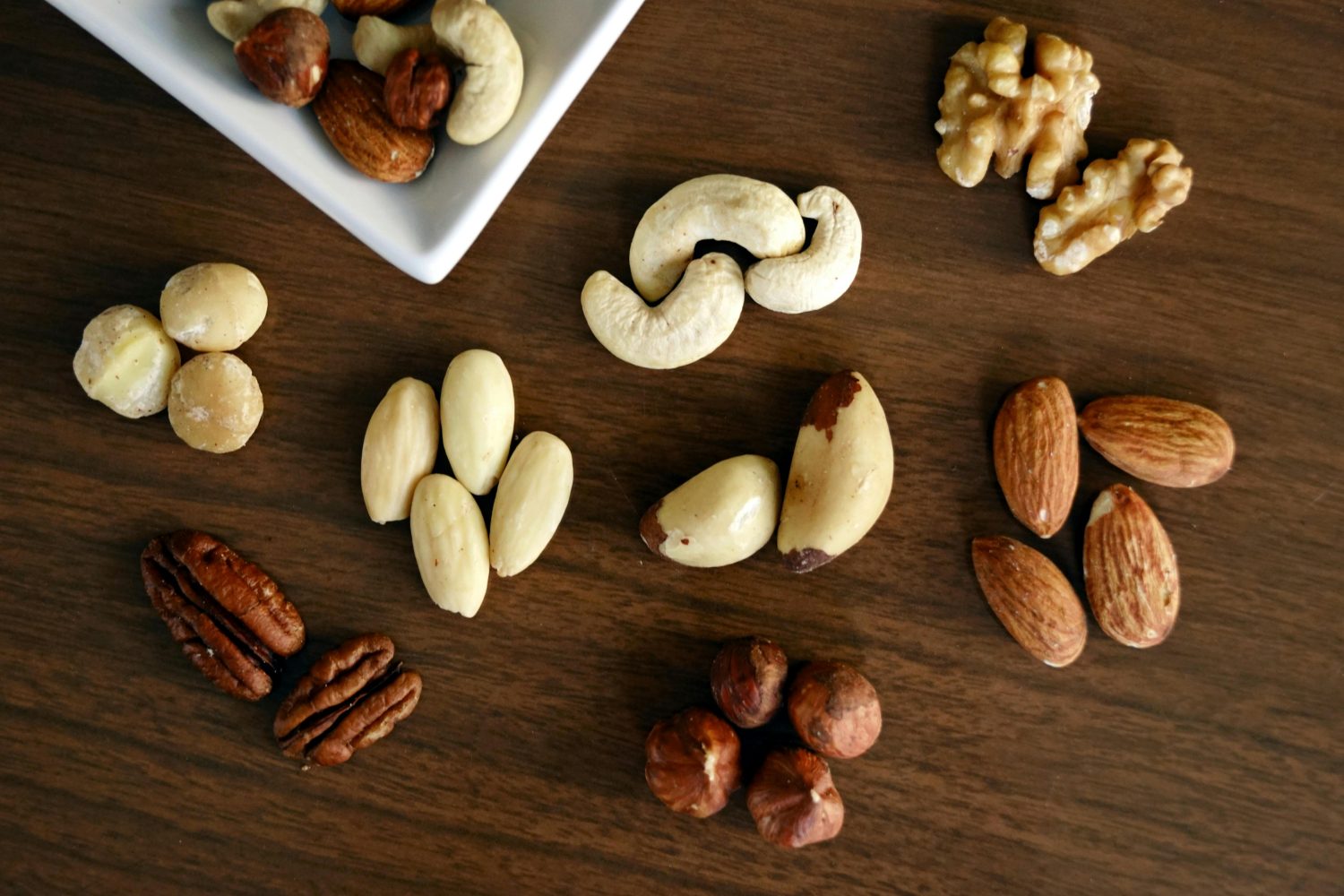
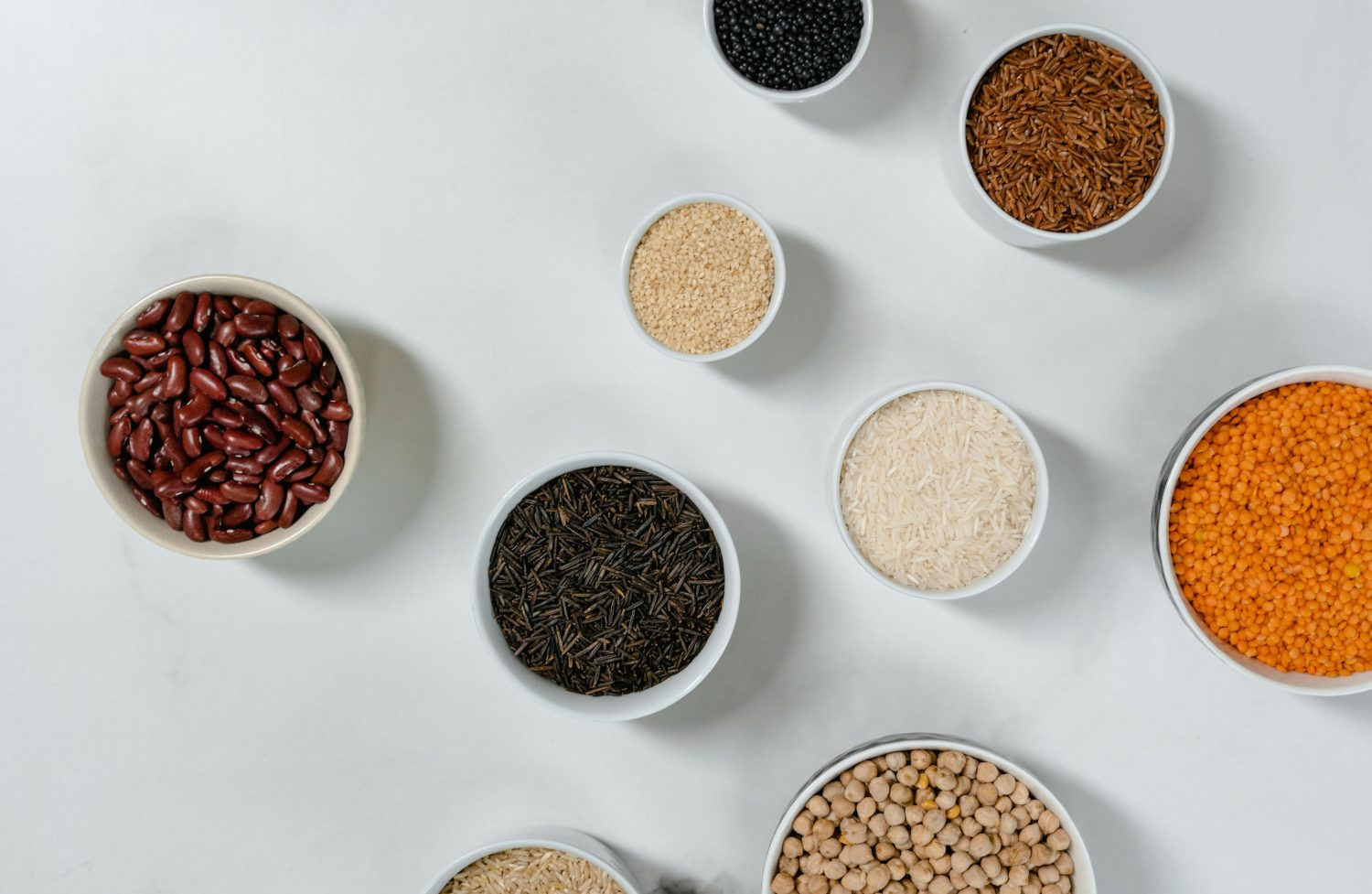
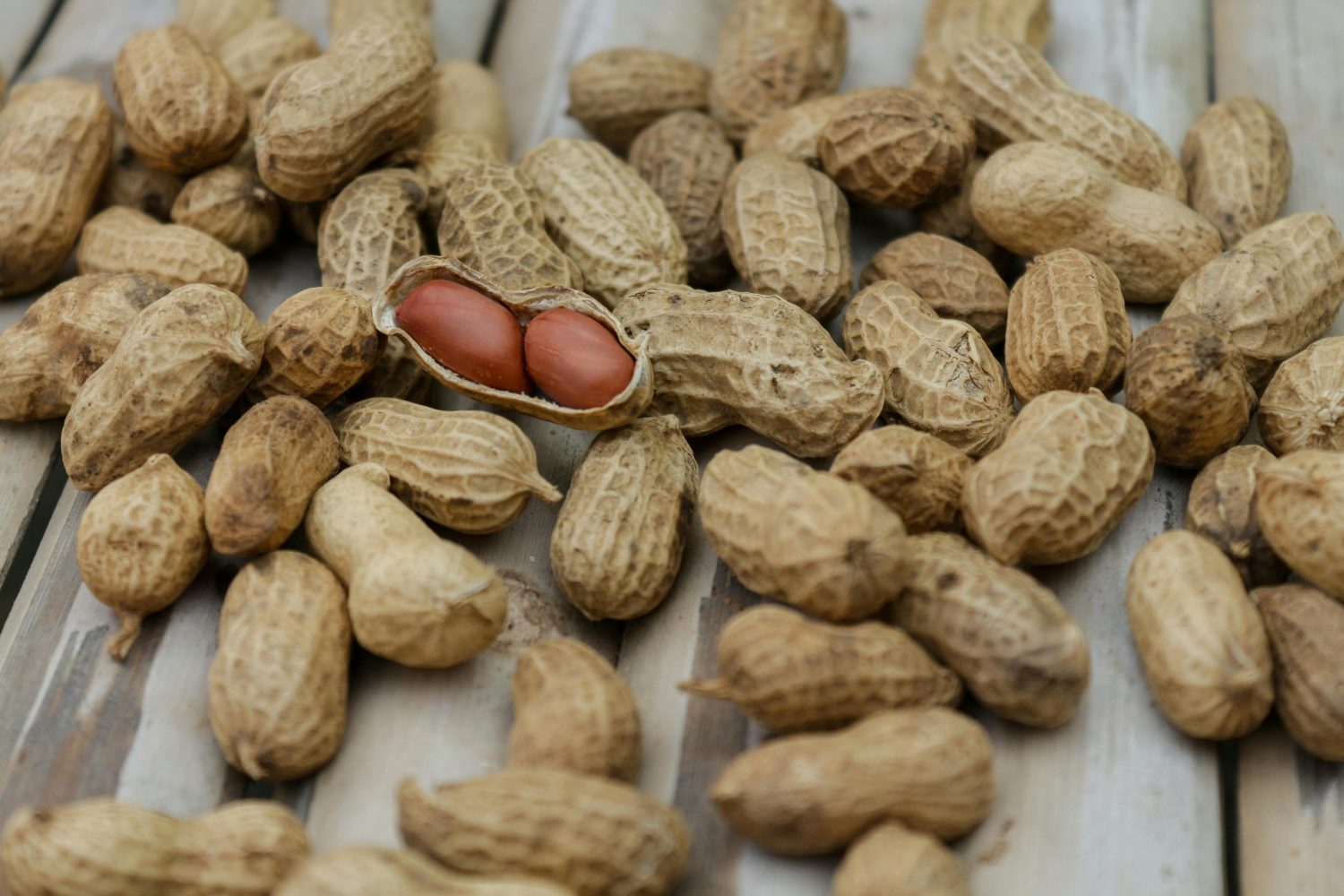
Wholemeal productsNutsPorkPulses
7. Vitamin B2 (riboflavin)
Function: Necessary for energy production and the breakdown of fats, drugs and steroids.
Sources: Milk, eggs, meat, green leafy vegetables.
Deficiency symptoms: Skin rashes, sore tongue, cracks at the corners of the mouth.
Possible symptoms of an overdose: No known toxic effects, as excess riboflavin is excreted in the urine (yellow colouring of the urine may occur).
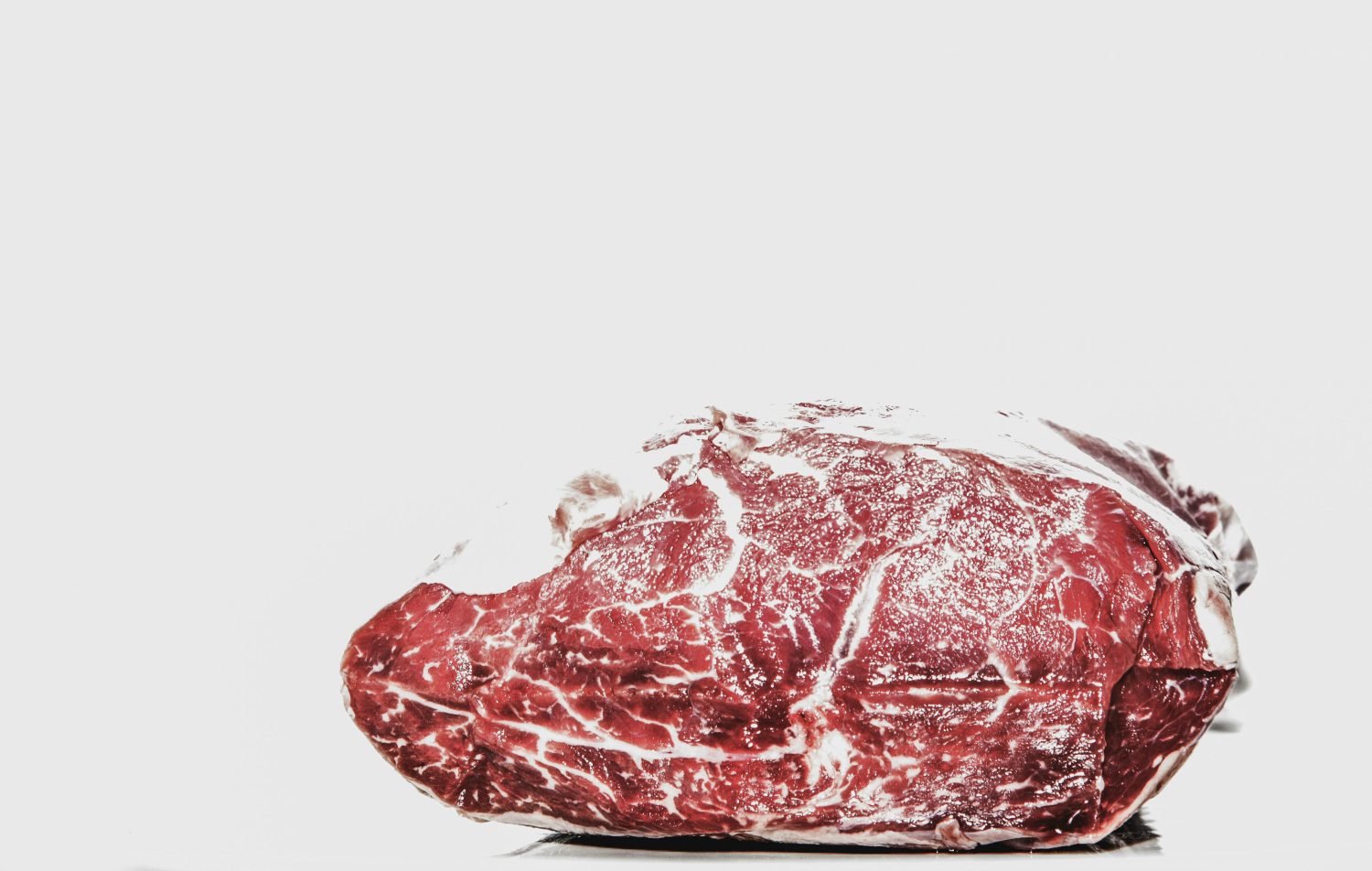
MilkEggsMeatGreen leafy vegetables
8. Vitamin B3 (niacin)
Function: Supports energy production and promotes skin and nerve health. Plays a role in DNA repair.
Knowledge junkie with a love of nature. Has asked lots of questions since her first word, which is why her parents put books in her hands. Still enjoys reading about natural health to this day. Likes to recharge her batteries outdoors!





































 Switzerland
 Europe
 Weitere Länder
 English
 Deutsch
 Français
 Italiano